

Why choose ISR for your child?
Expert self-rescue swimming lessons promoting safety, confidence, and independence.
Skills Courses
Every child is unique. Our individualised, private ISR Skills Courses are tailored to your child’s unique needs, pace, and personality. We provide focused attention on your child, helping them learn self-rescue swimming skills step-by-step while building confidence as they go!
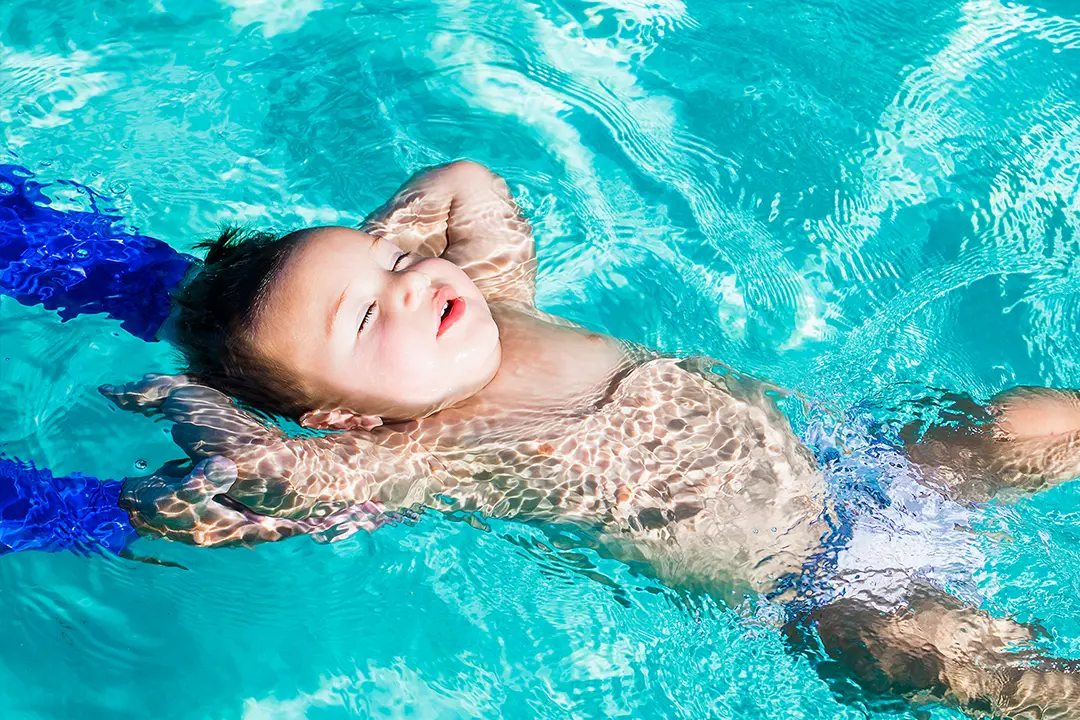
Our Skills Courses are one-to-one and teach your child to rollback and float, or swim and float, depending on their age and ability. Skills Courses require attendance 5 days per week (Monday – Friday) to optimize your child’s ability to learn through sensorimotor learning, the natural way for children to learn new motor skills. . Skills Courses take on average 6 consecutive weeks to complete.
Refresher Courses
Children grow and develop rapidly during early childhood, and their swimming skills need to adjust as they grow. Refresher Courses are designed for students who have already completed an ISR Skills Course and need to keep their skills fresh. Refresher Courses require attendance 5 days per week (Monday – Friday) and take 3 consecutive weeks to complete.
Our Refresher Courses reinforce their survival swimming skills, adjust for growth and changes in their proportions, and keep your little one confident and capable in the water year after year.
Maintenance Lessons
Maintenance Lessons provide continued practice for children following their ISR Skills Course. Regularly scheduled weekly, bi-weekly, or even monthly lessons help solidify your child’s skills while supporting long-term confidence and safety.
Your ISR Instructor will discuss with you what maintenance schedule makes sense for your little one and for your family’s aquatic lifestyle.

Frequently asked questions
I hear you say your priority is survival skills. Will my child learn to actually swim?
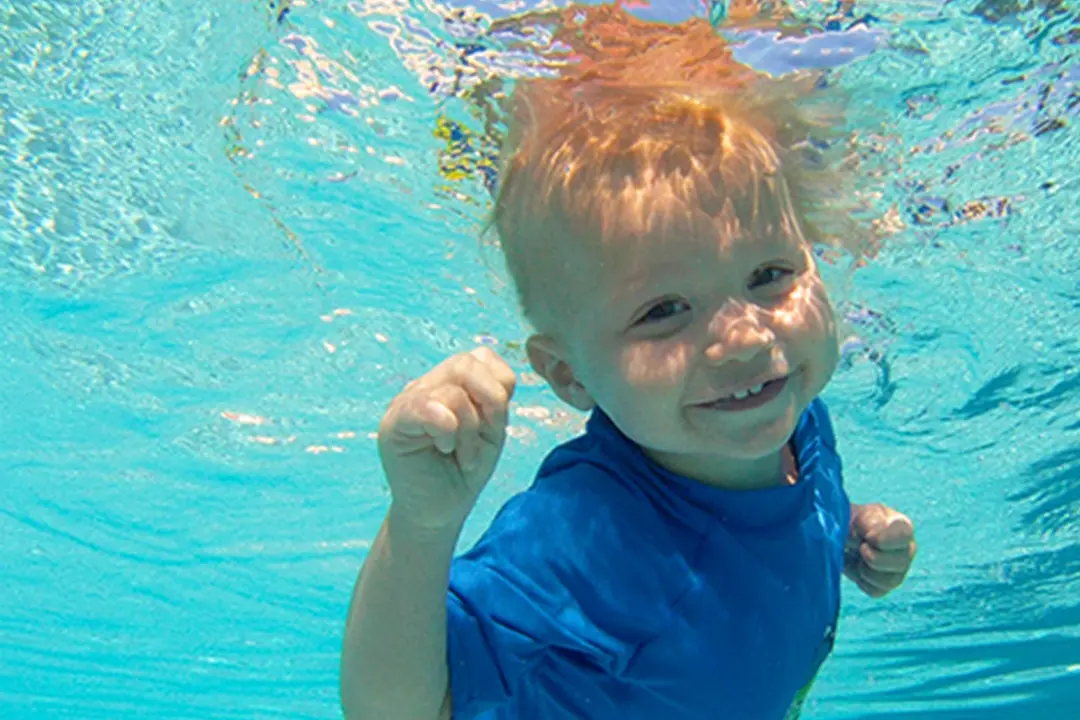
Yes. At ISR, we believe that part of survival for a child who can walk is swimming. Children learn the swim-float-swim sequence so that they could get themselves to safety. The difference in our program is that they will learn swimming AND survival skills and how to be an aquatic problem solver.
Can you really teach a child who is not verbal how to swim?
Yes. Consider that children learn to sit, crawl and walk before they learn to speak. Because we teach through sensori-motor learning, verbal skills are not required for a child to acquire Self-Rescue skills. We are able to communicate with our students through touch and positive reinforcement while striving to set our students up for success every step of the way.